
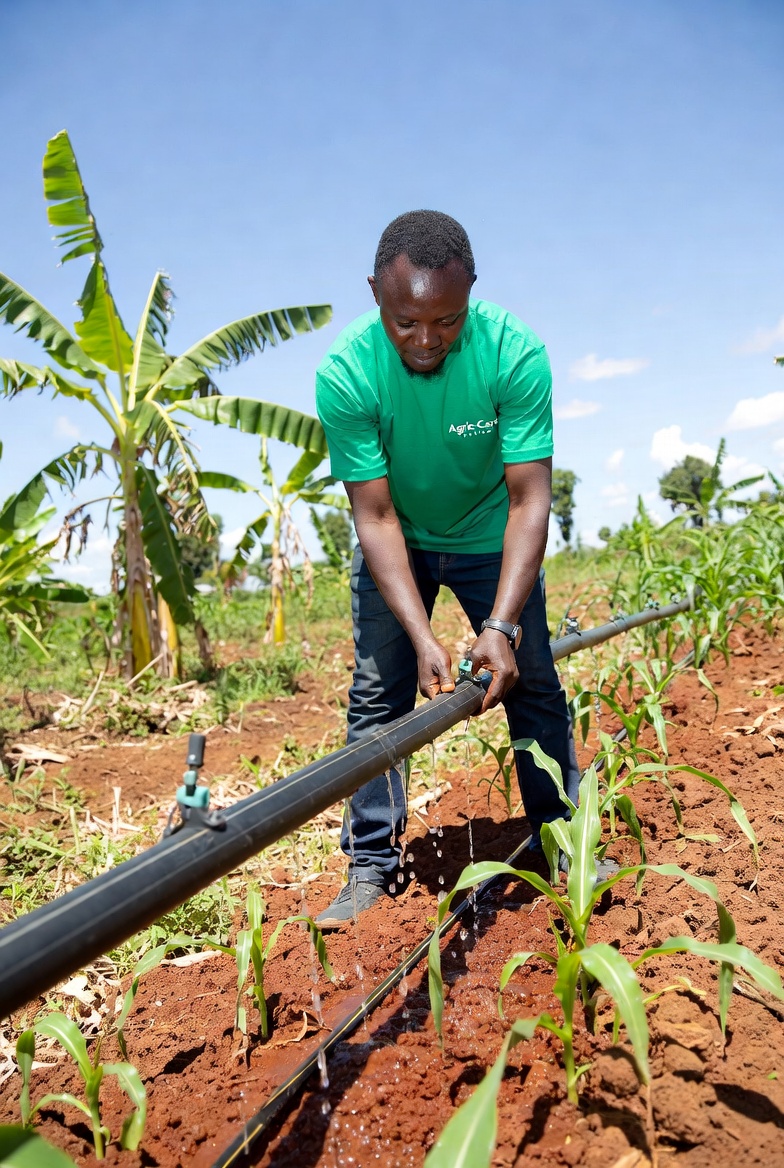
5 Essential Tips for Maximizing Yields with Drip Irrigation
Water is a precious resource, especially in Uganda’s variable climate. With unpredictable rainfall patterns, prolonged dry spells, and increasing temperatures, many farmers struggle to keep their crops well-watered without wasting this vital resource. Drip irrigation has emerged as a game-changing technique that delivers water directly to the root zone of plants. By minimizing evaporation, runoff, and weed growth, it can significantly boost yields while saving water and reducing labour.
Whether you grow maize, bananas, vegetables, or coffee, a well-managed drip system can transform your farm’s productivity. To get the most out of your drip irrigation setup, follow these five essential tips:
1. Regular Maintenance
Drip systems require consistent attention. Check your drip lines and emitters frequently for clogs, leaks, or physical damage from animals or farm tools. Even a few blocked emitters can leave sections of your crop underwatered, leading to uneven growth and lower yields. Walk through your field at least once a week, flush the lines regularly, and replace any damaged parts immediately. A few minutes of maintenance can prevent major losses during critical growing periods.
2. Understand Your Soil Type
Soil type plays a crucial role in how you schedule irrigation. Sandy soils drain quickly and hold less moisture, so they need more frequent but shorter watering cycles. In contrast, clay soils retain water much longer, meaning you can water less often but for slightly longer durations. Knowing your soil helps you avoid both underwatering and overwatering, which can stress plants or cause root rot. Simple soil tests or observing how quickly water soaks in after rain can guide your decisions.
3. Filter Your Water Source
This is perhaps the single most important step for a healthy drip system. Sediment, algae, and debris from rivers, boreholes, or ponds can quickly clog emitters and render your entire system ineffective. Always install a good filter at the beginning of your drip line and clean or replace it regularly. Farmers who skip this step often regret it when their system fails during the dry season. A reliable filter saves time, money, and frustration in the long run.
4. Schedule Watering Appropriately
Timing matters greatly in Uganda’s hot climate. Water early in the morning when temperatures are cooler. This reduces evaporation losses and gives plants time to absorb moisture before the intense midday heat. Avoid watering late in the evening, as leaves that stay wet overnight can encourage fungal diseases such as blight and mildew. Consistent morning irrigation helps your crops stay strong and productive throughout the season.
5. Combine with Fertigation
Drip irrigation is perfectly suited for fertigation — applying water-soluble fertilizers through the system. This method delivers nutrients directly to the plant roots, where they are most needed. As a result, nutrient uptake improves dramatically, and you use less fertilizer overall. Many farmers in Uganda have reported higher yields and better crop quality after adopting fertigation. Start with small doses and adjust based on crop needs and soil tests.
By following these five tips, Ugandan farmers can make drip irrigation a powerful tool for higher yields, lower water use, and greater resilience against climate challenges. Investing time in proper management today will reward you with healthier crops and improved harvests tomorrow.
